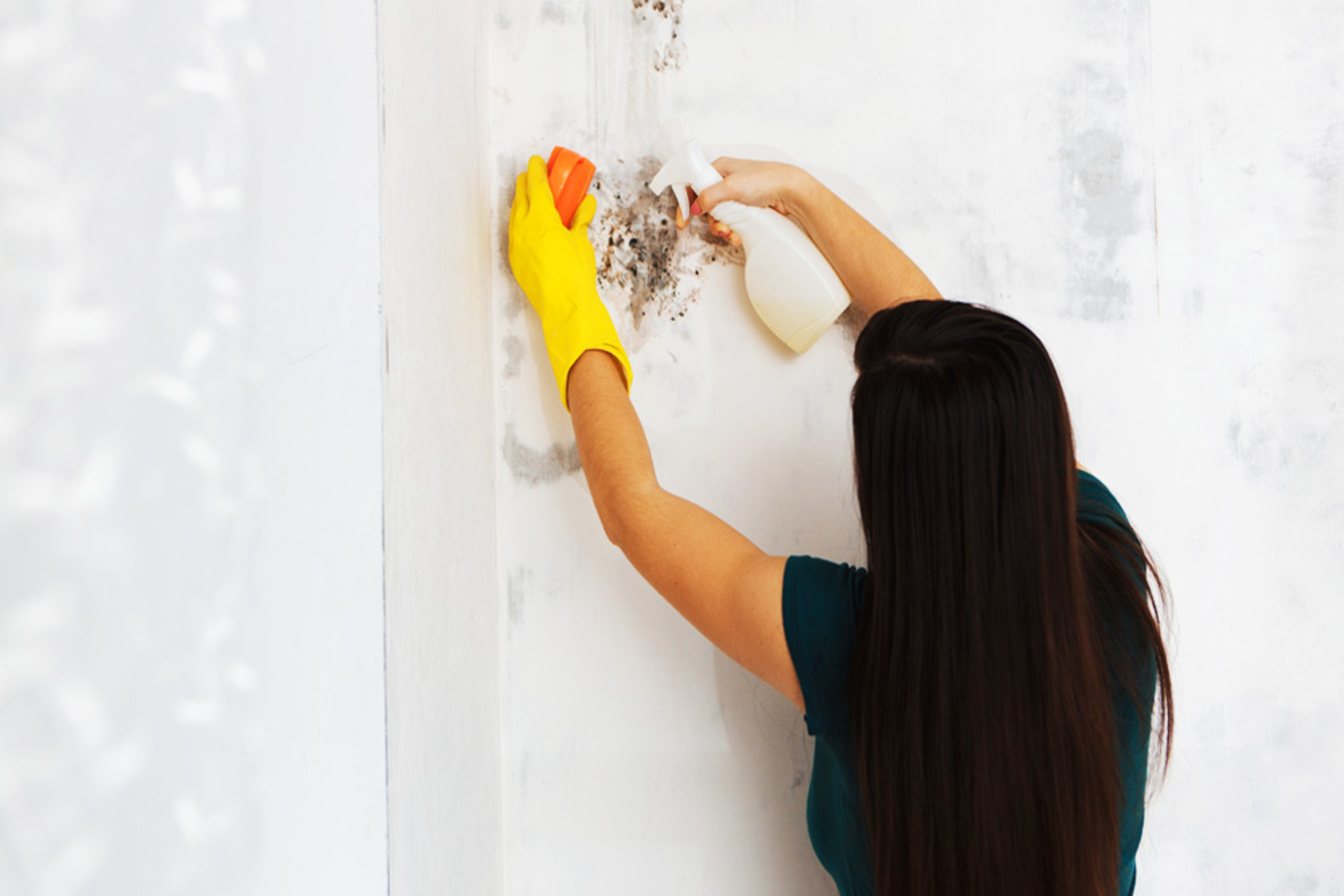
Mold in finished basements is a common yet overlooked problem that can cause significant damage to your home’s structure, as well as pose health risks to you and your family. Basements, especially finished ones, are susceptible to mold growth due to their typically damp and humid conditions. Whether it’s caused by leaks, poor ventilation, or high humidity, mold growth in these spaces is not something you want to ignore. In this comprehensive guide, we’ll explore how to deal with mold in finished basements, from prevention to removal, and how to protect your home and health from future infestations.
Understanding Mold Growth in Finished Basements
Mold is a type of fungus that thrives in damp, warm, and poorly ventilated environments. Basements, being below ground level, tend to have higher moisture levels, which makes them an ideal breeding ground for mold. When water or moisture seeps into a basement from outside sources like leaking pipes, cracks in the foundation, or poor drainage, it creates the perfect conditions for mold to grow. This is especially true in finished basements where insulation, drywall, and carpet can absorb moisture and trap it, fostering mold growth. If you’re considering home renovation tips to improve your basement, addressing mold should be a top priority to avoid long-term damage.
Mold is not only unsightly but also potentially harmful to your health. Prolonged exposure to mold spores can trigger allergic reactions, asthma attacks, and respiratory problems. Children, elderly individuals, and those with weakened immune systems are particularly vulnerable to the effects of mold exposure. This is why addressing mold in finished basements is crucial to maintaining a safe and healthy living environment.
Signs of Mold in Finished Basements
Before you can tackle the issue, it’s essential to know how to identify mold in your finished basement. Here are some common signs to watch out for:
- Musty Odor: A musty, earthy smell is often the first sign of mold growth. This odor is caused by the mold’s release of microbial volatile organic compounds (MVOCs).
- Visible Mold: Mold can appear as black, green, or white spots or patches on walls, ceilings, floors, or furniture. If you see any discoloration on the surfaces in your basement, it’s time to investigate further.
- Water Stains: Water stains or damp spots on the ceiling or walls are strong indicators of moisture buildup, which could lead to mold growth.
- Increased Humidity: Excess moisture in the air can be detected by a rise in humidity levels in the basement. If your basement feels unusually damp or clammy, mold growth may be occurring.
- Peeling Paint or Wallpaper: The presence of mold often causes paint or wallpaper to peel, bubble, or blister.
Preventing Mold in Finished Basements
While mold removal is important, the best approach is to prevent it from occurring in the first place. Here are some effective ways to prevent mold growth in your finished basement:
1. Control humidity levels
Keeping your basement’s humidity levels below 60% is crucial for mold prevention. Use a dehumidifier to maintain optimal moisture levels, especially during the warmer months when humidity tends to rise. If you live in a particularly humid area, a basement-specific dehumidifier might be necessary.
2. Ensure proper ventilation
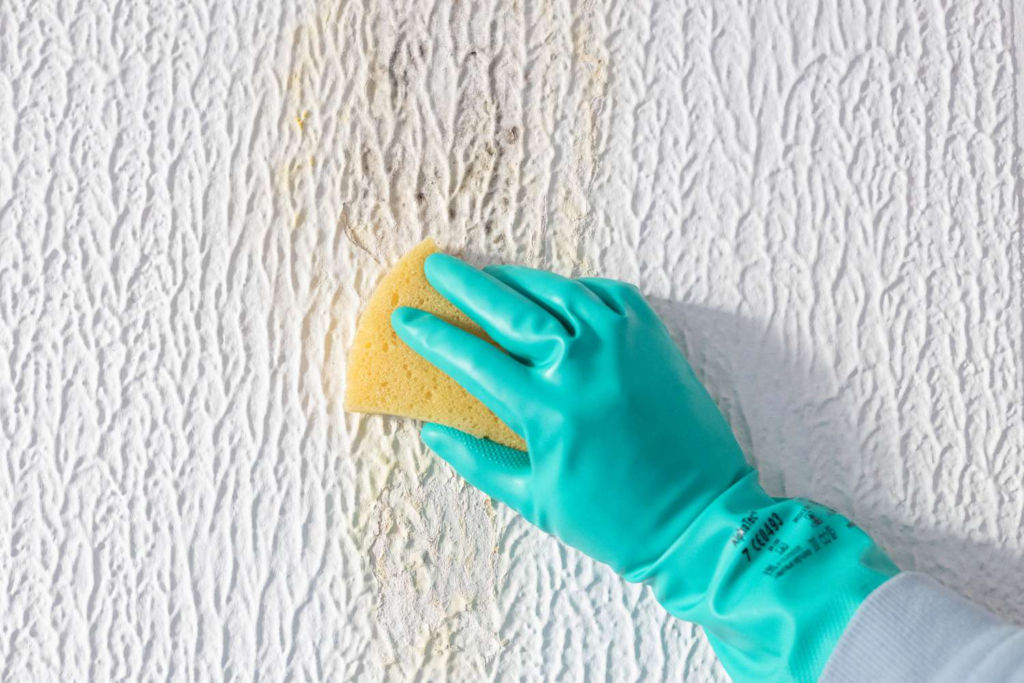
Proper airflow is essential to preventing mold in finished basements. If your basement lacks windows, consider installing a ventilation system or using exhaust fans to improve air circulation. Make sure the air ducts are clean and unobstructed, as stagnant air can trap moisture and lead to mold growth.
3. Fix leaks promptly
Leaky pipes, windows, and cracks in the foundation are major contributors to mold in finished basements. Be proactive in addressing leaks by regularly inspecting plumbing, windows, and the foundation for signs of water damage. Seal any cracks in the walls or floors to prevent water from seeping into the space.
4. Insulate pipes
Cold water pipes that run through your basement can cause condensation, which leads to mold growth. Insulating pipes helps prevent condensation by keeping the pipes warm and reducing the risk of water accumulation.
5. Improve drainage
Ensure that the grading around your home directs water away from the foundation. Install or maintain gutters and downspouts to prevent rainwater from collecting around the basement walls. A French drain or sump pump can also be used to manage groundwater and redirect it away from your home’s foundation.
6. Use mold-resistant materials
When finishing or renovating your basement, choose mold-resistant building materials such as mold-resistant drywall and insulation. These materials are designed to resist moisture and prevent mold growth, making them ideal for basements prone to dampness.
If you’re planning a low ceiling basement remodel, incorporating mold-resistant materials and ensuring proper ventilation are essential steps to prevent mold growth. It also ensures your basement remains comfortable, regardless of the ceiling height.
How to Remove Mold from Finished Basements
If you’ve already discovered mold in your finished basement, it’s crucial to act fast. Here’s how to effectively remove mold from your basement:
1. Wear protective gear
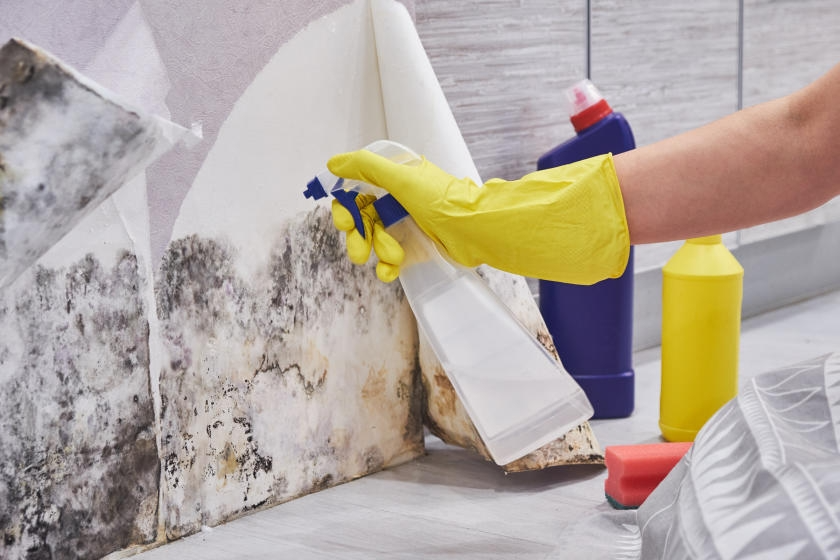
When cleaning mold, it’s important to wear protective gear such as gloves, a mask, and eye protection. Mold spores can be harmful when inhaled or come into contact with your skin, so taking precautions is essential.
2. Use a mold cleaner
Commercial mold removers or a solution of vinegar and water (1 cup of vinegar to 1 gallon of water) can effectively kill mold. Apply the cleaner to the affected area using a sponge or brush. Let the solution sit for 10-15 minutes before scrubbing.
3. Scrub and rinse
Scrub the moldy surfaces with a stiff brush to remove the visible mold. Rinse the area thoroughly with clean water to remove any remaining mold spores. Be sure to dry the surface completely afterward to prevent future mold growth.
4. Discard contaminated materials
Some materials, like carpet, insulation, and drywall, may be too heavily affected by mold and can’t be effectively cleaned. In these cases, it’s best to discard the contaminated items and replace them with mold-resistant materials.
5. Use a HEPA vacuum
After cleaning, use a HEPA vacuum to remove any lingering mold spores from the basement. HEPA vacuums are designed to trap small particles, making them highly effective in cleaning mold spores from floors and surfaces.
6. Consider professional mold remediation
If the mold problem is extensive, it’s a good idea to hire a professional mold remediation service. These experts have the necessary equipment and experience to safely remove mold and restore your basement.
How to Maintain a Mold-Free Basement
Once you’ve dealt with mold in your finished basement, it’s important to implement measures to prevent future growth. Here are some maintenance tips:
- Regularly Inspect for Moisture: Make a habit of checking your basement for signs of moisture or leaks every few months. The earlier you catch potential problems, the easier they are to fix.
- Check Humidity Levels: Keep an eye on the humidity levels in your basement using a hygrometer. If the levels rise above 60%, take steps to reduce moisture.
- Perform Preventative Maintenance: Regularly inspect your basement’s plumbing, foundation, and insulation. Fix any leaks immediately to prevent water from accumulating and creating the conditions for mold growth.
For those considering an old house basement remodel, keeping mold at bay is especially important. Older homes often have outdated plumbing and less effective moisture control systems, which can exacerbate mold problems. By upgrading to modern materials and sealing cracks, you can protect your home from mold growth while enhancing its value.
Conclusion
Mold in finished basements is more than just a cosmetic issue—it can cause long-term damage to your home and pose serious health risks to your family. By understanding the causes of mold growth and taking proactive steps to prevent it, you can protect your home and health. Regular inspections, moisture control, and proper ventilation are key to keeping mold at bay. If you discover mold, act quickly to remove it using safe and effective methods. Remember, a dry, well-ventilated basement is the best defense against mold growth, ensuring a safe and comfortable space for you and your family. If you’re curious about the basement renovation cost for your mold-free basement project, consulting with a local professional in basement finishing in Scarborough can help you understand your options and plan for the best results.
FAQs
Mold in finished basements can be dangerous if it’s left untreated. It can cause health issues like respiratory problems, allergies, and asthma. If you notice a persistent musty odor, visible mold growth, or water damage, it’s time to take action.
Yes, you can remove small amounts of mold yourself using cleaning solutions like vinegar and water or commercial mold cleaners. However, if the mold is widespread or you have health concerns, it’s advisable to hire a professional mold remediation service.
If mold returns after cleaning, it may indicate that there is an ongoing moisture issue. Check for leaks, inadequate ventilation, or high humidity levels. Consider installing a dehumidifier and improving drainage around your home to prevent further mold growth.
The time it takes to remove mold depends on the extent of the infestation. Small areas can be cleaned in a few hours, while larger infestations may take days. For extensive mold problems, professional remediation could take up to a week or more.