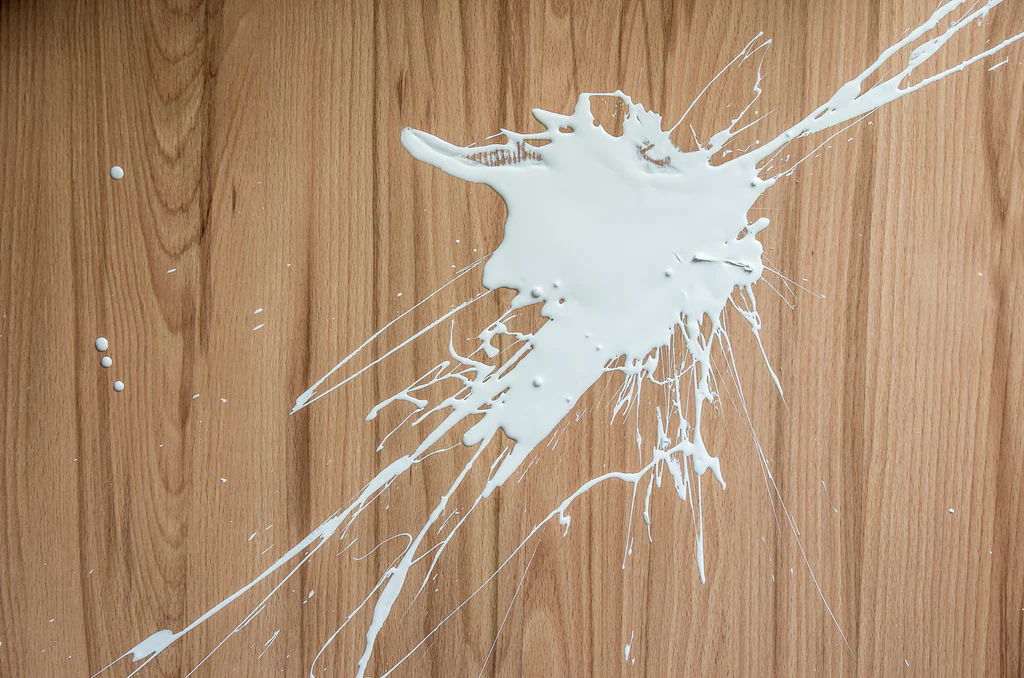
Hardwood floors are one of the most beautiful and durable flooring options available, offering both elegance and warmth to any home. However, accidents happen, and a splash of paint can quickly ruin the look of your floors. Fortunately, removing paint from hardwood floors doesn’t have to mean damaging the finish. In this comprehensive guide, we’ll walk you through the steps to safely remove paint and restore your hardwood floors to their former glory.
Start with Testing: How to Check if the Paint Is Fresh or Dry
Before you begin removing paint from hardwood floors, it’s important to assess the condition of the paint. The method you’ll use depends on whether the paint is fresh or has dried and set into the finish.
For more stubborn paint issues, you can also refer to methods for removing paint from concrete. These techniques can sometimes be adapted for hardwood floors, but be sure to test them first to avoid damaging your floor’s finish.
Fresh Paint
If the paint is still wet or hasn’t fully dried, it’s best to act quickly. Fresh paint is much easier to remove and less likely to have bonded with the finish of your hardwood floors. You can usually wipe it off with a damp cloth or clean it with a gentle cleaning solution.
Dried Paint
Dried paint, on the other hand, requires more effort to remove. Over time, paint bonds with the floor’s finish, making it more difficult to lift without causing damage. It’s essential to identify whether the paint is still wet or fully dry before proceeding with any removal method. A quick test you can perform is to gently scrape the paint with a fingernail or small tool to see if it comes off easily. If it does, it’s still wet or only recently dried, meaning you can use a gentler method.
Just as you would carefully check the condition of materials when removing mold from the basement, testing the paint’s condition is crucial to avoid unnecessary damage to your hardwood floors.
Effective Methods for Removing Paint from Hardwood Floors
Once you’ve determined the condition of the paint, you can select the best method for removing it. The severity of the paint stain will guide which technique to use.
Using Rubbing Alcohol and Lemon Juice: A Gentle Approach
If the paint is relatively fresh and has not deeply adhered to the hardwood, you can start with a mixture of rubbing alcohol and lemon juice. This combination works well for lifting paint without harming the floor’s finish.
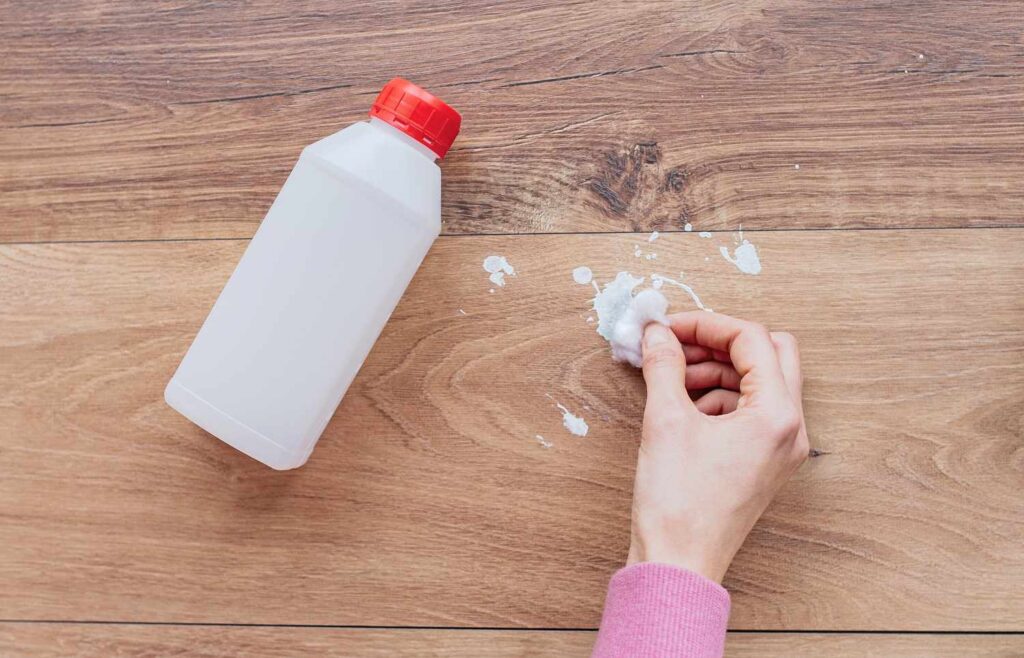
How to use:
- Mix one part rubbing alcohol with one part lemon juice in a spray bottle.
- Lightly spray the solution onto the paint stain.
- Allow it to sit for a few minutes to soften the paint.
- Use a soft cloth or sponge to gently wipe away the paint. Avoid scrubbing too hard, as this can damage the wood’s finish.
- After removing the paint, wipe the area with a clean, damp cloth to remove any leftover solution and allow the floor to dry.
This method is effective for small paint spills and is gentle enough for most hardwood finishes. However, be sure to spot-test the solution on a hidden area of the floor first to ensure it doesn’t cause any discoloration or damage.
Cleaning with Dish Soap and Warm Water: The First Line of Defense
For lighter paint splatters or areas where the paint hasn’t bonded firmly, a mixture of dish soap and warm water can often do the trick. This method is non-abrasive and safe for most hardwood floors.
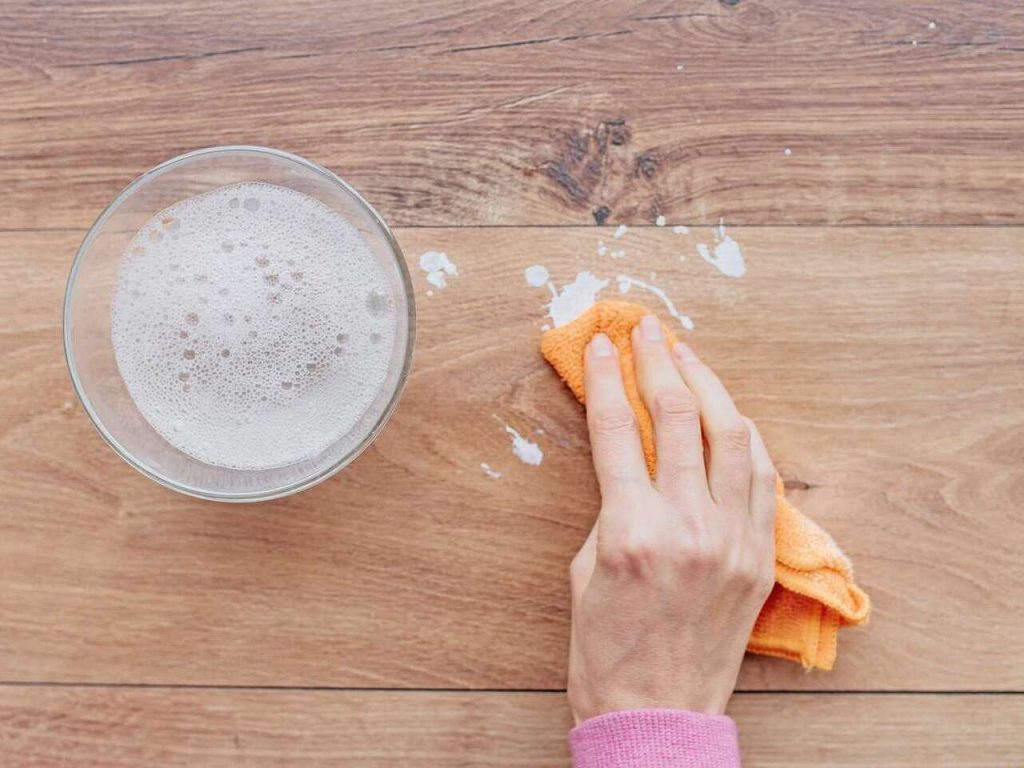
How to use:
- Mix a small amount of dishwashing liquid with warm water in a bucket.
- Soak a soft cloth in the soapy water and wring it out so it’s damp but not soaking.
- Gently rub the paint spot with the cloth, working in circular motions.
- If the paint comes off, continue rubbing until the area is clean.
- Dry the area with a towel to avoid leaving excess moisture on the floor.
This method is ideal for fresh paint or paint that hasn’t dried completely. It’s a great first step and can often remove minor paint spills without resorting to harsher chemicals.
Commercial Paint Removers: When to Turn to Store-bought Solutions
If the paint is stubborn and doesn’t come off with the above methods, it may be time to consider using a commercial paint remover. Be sure to choose a product that is safe for hardwood floors and follow the manufacturer’s instructions carefully.
How to use:
- Purchase a paint remover that is labeled as safe for wood floors. You can find these products at most home improvement stores.
- Apply the remover to a small test area of your floor to ensure it doesn’t damage the finish.
- If the test area is fine, apply the product to the paint stain using a clean cloth or sponge.
- Let the product sit for the recommended time, typically 10-15 minutes.
- Gently scrape away the paint with a plastic scraper or putty knife.
- Clean the area with a damp cloth to remove any remaining paint or chemicals.
Be cautious when using commercial paint removers, as they can sometimes strip the finish or leave behind residue. If you’re unsure which product to choose, it may be a good idea to consult a professional before using any harsh chemicals.
For more stubborn paint issues, you can also refer to methods for removing paint from concrete. These techniques can sometimes be adapted for hardwood floors but be sure to test them first.
Preventing Future Paint Spills on Hardwood Floors
Preventing paint spills is far easier than cleaning them up. If you’re planning to paint near hardwood floors, here are a few tips to help avoid accidents:
- Use Painter’s Tape: Protect the edges of your hardwood floors by applying painter’s tape along the baseboards and any exposed floor sections.
- Lay Down Drop Cloths: Cover the floor with a thick drop cloth or plastic sheeting to catch any spills or drips.
- Use High-Quality Paint: Choosing the right type of paint can make a difference. Opt for paint that is less likely to splatter.
- Act Quickly: If paint does spill on the floor, clean it up as soon as possible. The quicker you act, the less likely it will bond with the finish.
Much like the precautions taken during basement finishing in Scarborough, applying protective measures – such as using drop cloths and painter’s tape – can help keep your hardwood floors safe from paint splatters.
When to Seek Professional Help for Paint Removal
If the paint has soaked into the finish or if the area is large, it’s best to seek professional help. Professionals have the right tools and expertise to safely remove paint without damaging the wood underneath. They can also help restore the finish to its original shine if the floor has been affected by paint removal.
When should you call a professional?
- If the paint covers a large area or multiple spots.
- If the paint has bonded deeply to the finish and won’t come off with home methods.
- If you’re unsure about the type of finish on your hardwood floor.
- If you want to ensure the restoration is done perfectly and avoid further damage to the floor.
At Rich Renovations, we specialize in basement renovation tips and offer services like basement finishing in Scarborough. Whether you’re dealing with paint removal on your floors or other home improvements, our experts are ready to assist you in preserving your hardwood floors.
Final Thoughts: Keep Your Floors Beautiful and Safe
In conclusion, removing paint from hardwood floors doesn’t have to be a daunting task. By testing the paint, choosing the right removal method, and following proper care, you can keep your hardwood floors looking beautiful. Always remember to take preventative steps to avoid future spills, and don’t hesitate to reach out to professionals if you’re unsure about tackling the job on your own.
For homeowners who also have concrete flooring, you might find our guide on concrete flooring finishes useful for your renovation projects. Our team can help guide you through various surface finishes, ensuring durability and style.
If you need expert assistance in areas such as removing mold from the basement or any other home improvement task, Rich Renovations is here to help. Our team offers comprehensive renovation services to ensure your home is both functional and beautiful.