
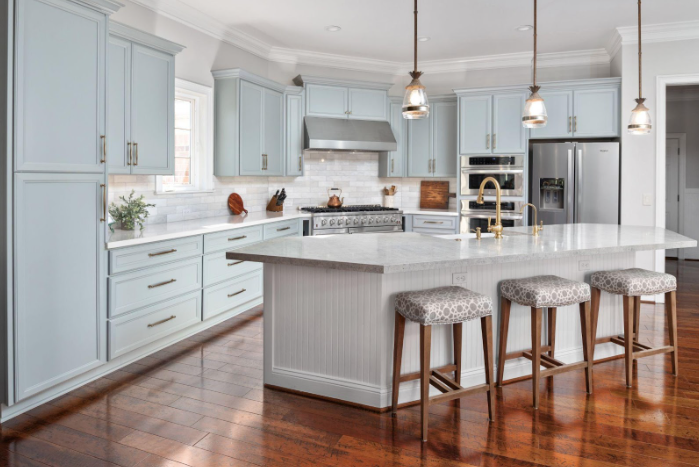
An open concept kitchen renovation is a popular trend that brings light, space, and functionality to the heart of the home. With walls removed and open sightlines between kitchen, dining, and living areas, homeowners can create a more spacious, airy environment. This renovation style is highly sought after in modern kitchen designs as it fosters a better flow between rooms and offers a contemporary, uncluttered aesthetic. In this article, we’ll explore open concept kitchen renovation ideas that maximize both space and light, making your kitchen the ideal space for cooking, socializing, and relaxing.
Why Choose an Open-Concept Kitchen?
Maximizing Space and Light
One of the main benefits of an open-concept kitchen is the increased flow of natural light. By removing walls between the kitchen, dining, and living areas, sunlight can fill the entire space, making it feel larger and brighter. The open design allows light to move freely through the home, transforming even smaller kitchens into bright, welcoming areas.
Better Flow and Connectivity
An open concept kitchen renovation enhances the flow between different living spaces. Whether you’re cooking, dining, or entertaining, you can easily interact with family and guests in adjacent rooms. This connectivity is ideal for modern family living, making it easier to multitask and stay engaged in social activities while preparing meals.
Increased Home Value
Open-concept kitchens are increasingly in demand among homebuyers. The idea of an open, multifunctional space is very appealing and can significantly enhance the value of your home. In fact, studies show that homes with open kitchen layouts tend to sell faster and at higher prices compared to more compartmentalized designs.
Potential Drawbacks
However, there are some challenges associated with open kitchens. The lack of walls can expose cooking messes and amplify noise. Moreover, the absence of physical boundaries can sometimes make it difficult to maintain privacy or seclusion while working in the kitchen. These are important considerations when planning your renovation.
Planning Your Open-Concept Kitchen Renovation
Structural Considerations
The first step in your open concept kitchen renovation is to evaluate the structural elements of your home. Identifying which walls are load-bearing is essential, as removing a load-bearing wall requires additional support structures, such as beams or columns. Always consult with a structural engineer or contractor to determine what can safely be removed and what will require extra reinforcement.
Setting Priorities
When planning your open-concept kitchen, prioritize the elements that will contribute most to the functionality and aesthetics of the space. Consider your kitchen’s layout, storage needs, and the flow between rooms. For instance, will the new open layout provide enough storage and workspace for your needs? Decide early whether you want to focus more on style, function, or both.
Budget and Permits
Renovating an open kitchen often involves more than just knocking down walls. You’ll need to account for demolition, structural changes, and possibly rerouting plumbing or electrical systems. These elements can significantly impact the kitchen renovation cost, so it’s important to factor them into your budget. Don’t forget about permits; in many cases, removing walls or making structural adjustments will require approval from your local building authority. It’s also crucial to avoid kitchen remodel mistakes, which can add unnecessary costs and delays to your renovation.
Hiring Professionals
While DIY can be an option for minor updates, opening up a kitchen typically requires the expertise of a contractor or kitchen designer. Working with professionals ensures that your vision is executed correctly, and that structural, plumbing, and electrical work is done safely and according to code. For guidance on finding the right team, check out our home renovation guide.
Open Kitchen Renovation Ideas for a Beautiful Space
Keep Things Simple
When designing an open kitchen, simplicity is key. Minimalist design choices, such as clean lines and open shelving, can make the space feel airy and modern. A clutter-free kitchen with open shelving instead of upper cabinets allows for a more spacious feel while offering easy access to frequently used items.
Have Extra Room for Walking
One of the benefits of an open kitchen is the ability to move freely between spaces. Ensure there is adequate room for walking and traffic flow, especially around islands or seating areas. The general recommendation is to have at least 40–42 inches of clearance around islands and other fixtures to allow for smooth movement.
Think Bright and White
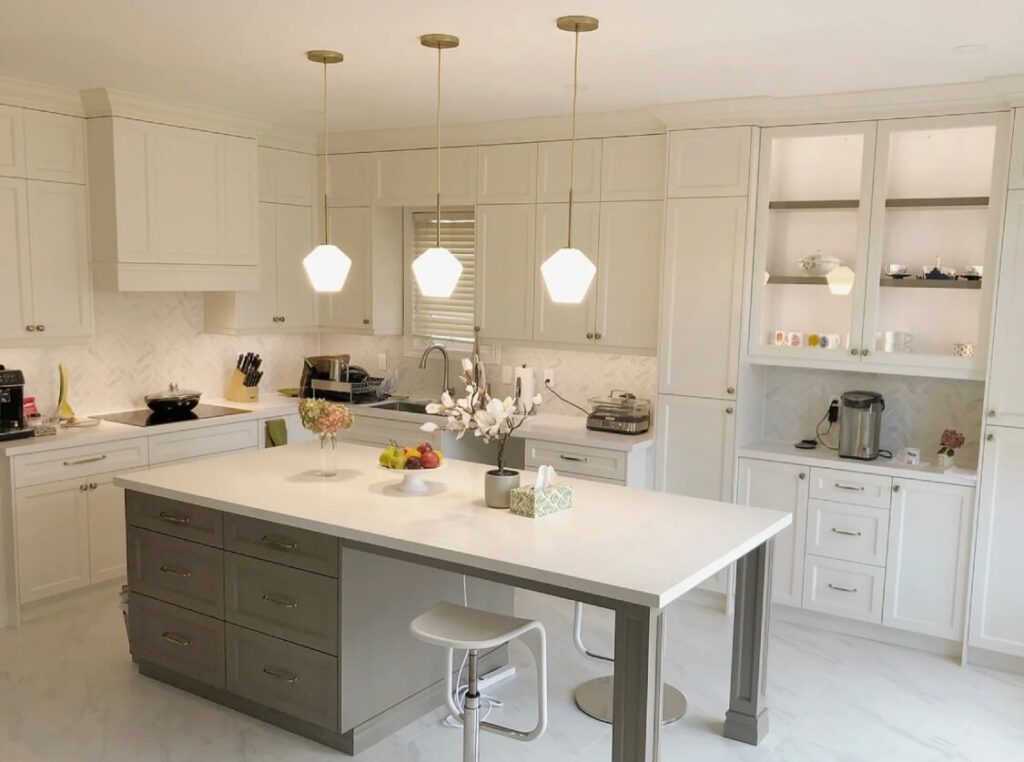
Opting for light colors, especially white, is a great way to reflect natural light and make the space feel larger. White walls, cabinetry, and countertops can create an airy atmosphere that enhances the open-concept feel. You can add depth with contrasting accents, but the overall light palette will make the kitchen feel brighter and more spacious.
Play with Complimentary Colours
While white is a great base, incorporating accent colors adds personality and vibrancy to the kitchen. Consider adding a bold navy island, brass light fixtures, or a colored backsplash. These elements will create contrast and visual interest without overwhelming the space, maintaining the clean, modern feel of an open kitchen.
Add Some Warmth
Balance the cool, sleek look of an open kitchen with natural materials like wood and stone. These elements can add warmth to the space, making it feel more inviting and comfortable. A wooden island, stone countertop, or wood accents on shelves will add texture and warmth, giving your kitchen a cozy, lived-in vibe.
Bring Creature Comforts
An open kitchen should also be a space where you feel at home. Add cozy textiles like rugs, cushions, or upholstered furniture to make the area more inviting. Comfortable seating at the island or a small nook can make the kitchen feel like part of the living area, not just a space for cooking.
Choose Multifunctional Pieces
In an open kitchen, multifunctional furniture is essential. Consider incorporating an island with built-in storage, a dining table that doubles as a workspace, or a movable kitchen cart. These pieces keep the space flexible and functional while maintaining the open, uncluttered feel.
For more kitchen renovation tips on how to make the most of your open kitchen renovation, be sure to consult with design experts who can guide you on making your kitchen both beautiful and functional.
Styling an Open-Concept Kitchen
Cohesive Design
To create a truly harmonious open-concept kitchen, it’s important to maintain consistency in colors, materials, and finishes across the kitchen and adjoining spaces. A seamless flow between the kitchen and living or dining area will make the entire home feel cohesive. Choose complementary finishes, such as matching countertops and cabinetry, to tie the space together.
Lighting for Ambiance and Function
Lighting is crucial in an open kitchen. Layer different lighting elements to provide both functionality and ambiance. Use overhead task lighting for cooking and prep areas, pendant lights for the island or dining space, and accent lighting for mood. Properly placed lighting can enhance the open layout and make the space feel inviting.
Personalizing the Space
While the kitchen is a functional area, it can also reflect your personal style. Add personal touches, such as artwork, plants, or decorative accessories, to bring warmth and individuality to the space. However, keep the overall look minimalist and avoid cluttering the open design with too many items.
Overcoming Open-Kitchen Challenges
Noise Control
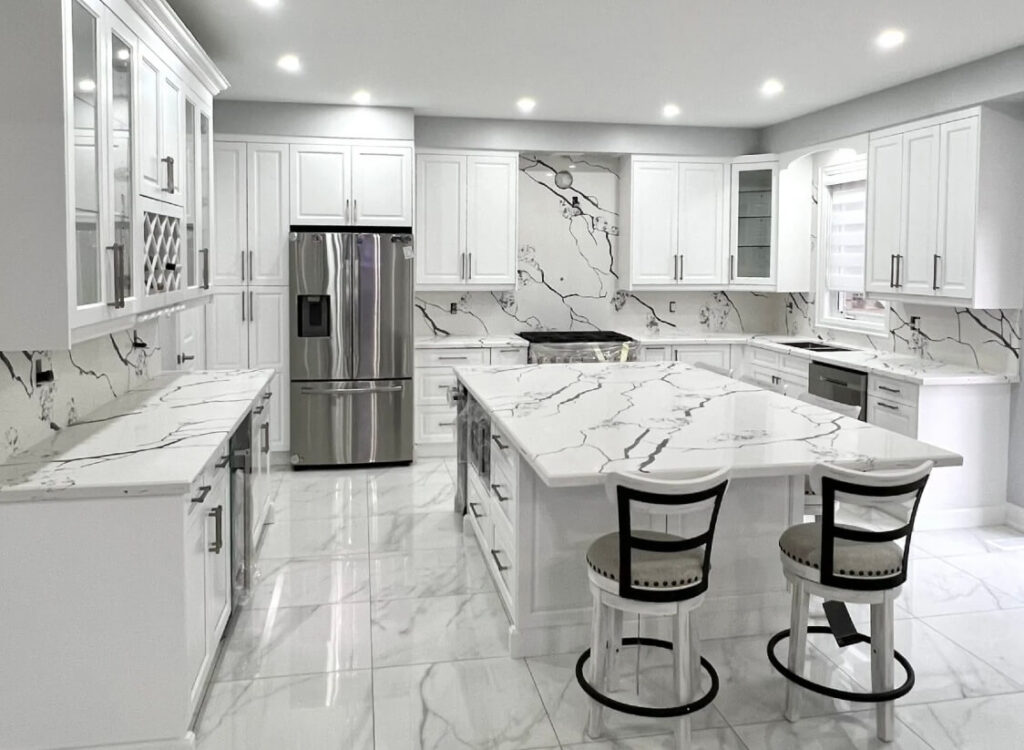
With an open-concept kitchen, noise can travel easily between the kitchen, dining, and living areas. To reduce noise, use soft furnishings like rugs, cushions, and upholstered chairs. Consider investing in quiet, energy-efficient appliances that produce less sound during use.
Clutter Management
In an open kitchen, keeping the space tidy is essential, as any mess will be on display. Use smart storage solutions like built-in cabinetry, concealed pantries, or pull-out drawers to hide clutter. Regular organization and decluttering routines will ensure your open kitchen remains neat and functional.
Privacy and Separation
While open layouts are great for flow, sometimes a little separation is needed. Use partial walls, sliding glass doors, or room dividers to create subtle boundaries between the kitchen and other areas of the home. These options maintain the open feel while providing some privacy when needed.
Ventilation and Cooking Odors
Good ventilation is a must in an open kitchen to prevent cooking odors from spreading throughout the home. Install a high-quality range hood, ideally vented to the outside, to keep the air fresh. Proper air circulation will keep the space comfortable and prevent lingering smells.
Conclusion
An open concept kitchen renovation can bring light, space, and a modern touch to your home. By focusing on design elements like maximizing space, using bright colors, and incorporating multifunctional pieces, you can create a kitchen that’s not only functional but also visually stunning. Thoughtful planning and smart design choices are key to making your open kitchen renovation a success. If you’re ready to transform your kitchen, consult Rich Renovations for expert advice and professional assistance.