
Basement and garage floors endure heavy use, moisture, chemicals, and temperature swings – especially in the GTA with our salty winters and humid summers. Homeowners face a key decision: concrete floor paint for a quick refresh or epoxy floor paint for long-term durability? This guide breaks down concrete floor paint vs epoxy to help you choose the right coating for your space, whether it’s a basement floor paint project for storage or garage floor paint that withstands vehicles and tools.
Understanding Your Options: Concrete Floor Paint vs Epoxy
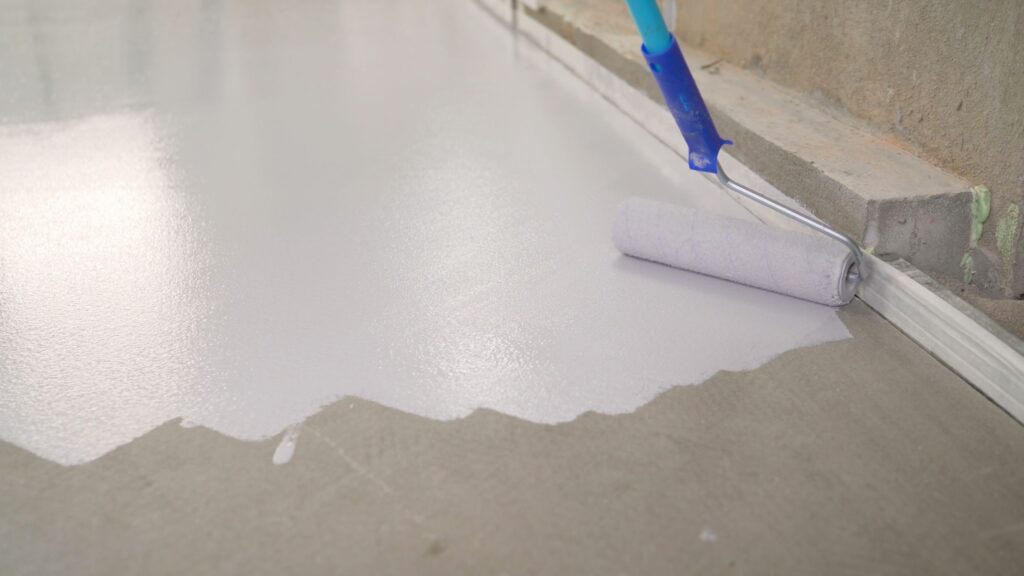
Concrete floor paint refers to acrylic, latex, or enamel-based coatings designed specifically for concrete surfaces. These paints bond to the surface through adhesion and provide a fresh color while protecting against light wear. Typically applied in 2-3 thin coats, they dry quickly and allow DIY projects over a weekend.
Epoxy floor paint, by contrast, involves a two-part chemical system (resin + hardener) that cures into a thick, seamless protective shell. Professional epoxy systems often exceed 10 mils thick, creating a glossy, durable finish that chemically fuses with the concrete. The choice between concrete floor paint vs epoxy hinges on your space’s demands, budget, and maintenance tolerance.
Concrete Floor Paint: Where It Works Best
What Is Concrete Floor Paint?
Concrete floor paints contain pigments, binders, and additives formulated for traction and basic chemical resistance. Brands like Behr, Rust-Oleum, and Kilz offer garage-specific formulas with anti-slip grit. Application involves cleaning, etching, and rolling 2-3 coats, with full cure in 24-72 hours. Colors range from neutrals to bold hues, refreshing dated gray slabs instantly.
Pros of Concrete Floor Paint
Affordability stands out – DIY basement floor paint projects cost $1-3 per square foot in materials. Quick application suits weekend warriors, and wide availability at GTA stores makes sourcing simple. These paints brighten dark spaces effectively, ideal for occasional-use areas like storage rooms or laundry zones.
Cons of Concrete Floor Paint
Durability lags behind epoxy, with lifespans of 2-5 years under moderate traffic. Hot tire pickup plagues garage floor paint applications, where vehicles leave sticky residue. Moisture vapor transmission from damp slabs causes bubbling or delamination over time. Frequent touch-ups and full recoats every few years add hidden costs.
Epoxy Floor Paint and Epoxy Coatings: When to Upgrade
What Is Epoxy Floor Paint / Epoxy Coating?
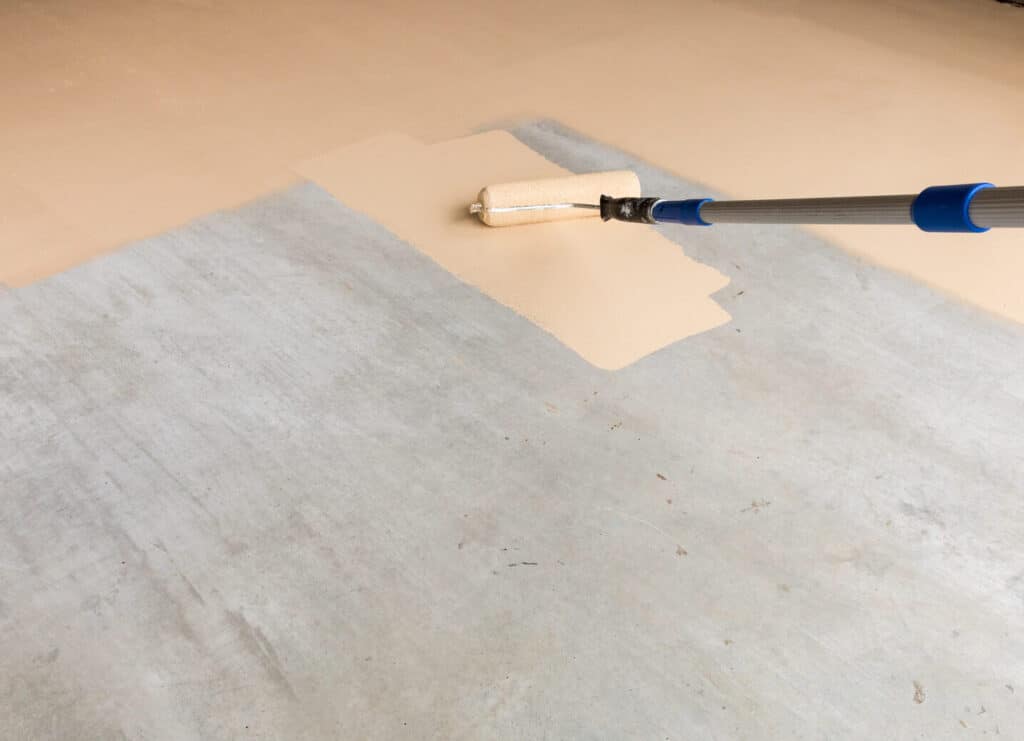
Epoxy creates a thermoset plastic layer through chemical reaction, far stronger than paint adhesion. Epoxy floor paint comes as 1- or 2-part kits for DIYers, while pro systems include primers, body coats, and topcoats with flakes or metallic effects. Thickness ranges from 8-20 mils, providing seamless waterproofing and impact resistance.
Pros of Epoxy for Basements and Garages
Exceptional durability shines in garage floor paint scenarios – epoxy resists oil, gasoline, antifreeze, and road salt common in GTA garages. Seamless surfaces wipe clean effortlessly, unlike porous painted concrete. UV-stable formulas prevent yellowing, and customizable finishes (gloss, matte, anti-slip) match any aesthetic. Lifespans reach 10-20 years with proper prep.
Cons and Considerations for Epoxy
Upfront costs run $4-12 per square foot, doubling paint budgets. Surface prep demands grinding or shot-blasting to expose pores, often requiring pros. Cold GTA garages slow curing below 50°F, and moisture testing proves essential—vapor emissions above 3 lbs/1000 sq ft ruin bonds. Color choices limit to kits, though flakes add variety.
Basement Floor Paint vs Epoxy: What’s Best for Your Basement?
Assessing Basement Conditions in the GTA
GTA basements suffer from high humidity, poor drainage, and efflorescence from clay soils. Test slabs with plastic sheet method: tape polyethylene overnight; moisture under indicates vapor drive unsuitable for most coatings. Hairline cracks need filling, and levelness affects roller application.
When Basement Floor Paint Makes Sense
Light-duty basement floor paint suits dry storage areas or spaces awaiting full finishes. Quick application over intact slabs provides color pops without major investment. Pair with area rugs for added protection in kids’ play zones or home gyms with light equipment.
Where old coatings have failed, you may need to remove paint from concrete before any new concrete floor paint or epoxy will properly bond. Basement renovation in Scarborough often incorporates these coatings as interim steps toward livable spaces. Basement renovation tips stress moisture mitigation first for any floor upgrade.
When Epoxy Floor Paint Is the Better Choice
Rec spaces, workshops, or moisture-managed slabs demand epoxy floor paint for chemical resistance and easy cleaning. GTA pros recommend vapor barrier primers under epoxy for marginal slabs. Finished looks with metallic or flake finishes elevate basements beyond basic utility.
Explore various concrete floor for basement options alongside epoxy to match your vision, from simple stains to polished overlays.
Garage Floor Paint vs Epoxy: What’s Best for Your Garage?
Typical Garage Floor Challenges
Scarborough garages battle road salt corrosion, antifreeze spills, and hot tires from summer parking. Unsealed concrete absorbs these, staining permanently. Heavy shelving imprints soft paints, while foot traffic grinds grit into surfaces.
Using Concrete Floor Paint in Garages
Entry-level garage floor paint handles bicycles, lawnmowers, and foot traffic for 2-3 years. Add grit for traction, and neutral grays hide dirt well. Annual cleaning extends life, though tire marks require spot priming before recoating.
Why Many GTA Homeowners Choose Epoxy for Garages
Epoxy floor paint laughs at salt and solvents, with topcoats resisting hot tires up to 300°F. Power-washed garages gleam post-cleaning, unlike pitted paint. Anti-slip additives prevent falls on wet surfaces, crucial for GTA winters. Longevity justifies premiums for daily drivers or workshops.
Key Factors to Consider Before You Choose
Durability and Traffic Level
Concrete floor paint endures light duty (foot traffic, occasional vehicles), cracking under shelving or drag marks. Epoxy floor paint handles industrial loads, flexing without chipping. Match to use: paint for storage, epoxy for active garages/basements.
Moisture and Temperature in the GTA
Freeze-thaw cycles wick moisture upward, delaminating thin paints faster. Epoxy’s thickness tolerates more vapor if primed correctly. GTA winters demand cold-cure epoxies; standard formulas fail below 55°F.
Budget vs Long-Term Value
Concrete floor paint wins upfront ($500-1500 for 400 sq ft garage), but recoats every 3 years total $3,000 over a decade. Epoxy floor paint costs $2,000-5,000 initially but lasts 15+ years, saving $1,500+ long-term.
DIY vs Professional Application
DIY concrete floor paint succeeds with pressure washing, etching solution, and roller application – weekend warriors finish garages solo. Masking prevents overspray, and breathable masks protect lungs.
Epoxy floor paint DIY kits demand perfection: grinding exposes aggregate, cracks get epoxy-filled, moisture tests pass thresholds. Pros grind professionally, apply 100 sq ft/hour, and guarantee bonds. Overspray cleanup involves removing paint from hardwood floors if drips escape garages. For complex jobs, house renovation services coordinate floors with broader updates seamlessly.
Concrete Floor Paint vs Epoxy: Quick Comparison Table
| Feature | Concrete Floor Paint | Epoxy Floor Paint |
|---|---|---|
| Durability | 2-5 years | 10-20 years |
| Thickness | 4-8 mils | 10-30 mils |
| Moisture Resistance | Fair (dry slabs) | Excellent (with primer) |
| Hot Tire Resistance | Poor | Excellent |
| DIY Friendly | High | Medium |
| Cost/sq ft (DIY) | $1-3 | $3-6 |
| GTA Winter Cure | Good | Requires cold-cure formula |
| Best For | Storage, light use | Garages, workshops, rec rooms |
Choosing the Best Option for Your GTA Home
Concrete floor paint refreshes dry, low-traffic basements and garages affordably, ideal for flips or rentals. Basement floor paint brightens storage without over-investing. Garage floor paint suffices for occasional cars if you recoat willingly.
Epoxy floor paint transforms high-use spaces into durable showpieces, resisting GTA realities like salt and spills. Weigh usage, moisture, and timeline – test slabs first, budget for prep, and consider pro install for longevity.
Rich Renovations helps GTA homeowners select and apply the right coatings as part of comprehensive upgrades.