

A full-house renovation sounds exciting until the reality hits: dust everywhere, no kitchen for weeks, and constant noise while trying to maintain normal life. Living through a home renovation presents unique challenges like disrupted routines, health risks from airborne particles, and family stress. Thoughtful planning turns this chaos into a manageable process. This article provides a complete home renovation checklist room by room, practical phasing strategies, and proven dust control methods to help you survive – and even thrive – during construction.
Benefits of Sequential Room Completion Over Simultaneous Whole-House Work
Sequential completion lets you finish one area completely before moving to the next, preserving livable space throughout living through a home renovation. Families keep bedrooms functional while bathrooms get updated, avoiding the nightmare of sleeping in a construction zone. This approach maintains essential daily functions, reducing overall disruption by 50-70% compared to tearing everything apart at once.
Stress drops dramatically when you have clean zones to retreat to each evening. Cost control improves since materials and tools stay concentrated in one area, minimizing waste and double-handling. Timeline advantages come from focused contractor efficiency – teams complete phases faster without jumping between messy zones. The home renovation checklist room by room becomes your roadmap, ensuring smooth transitions and predictable progress. Many homeowners discover that following this structure makes the entire project feel less overwhelming.
Your Home Renovation Checklist Room by Room
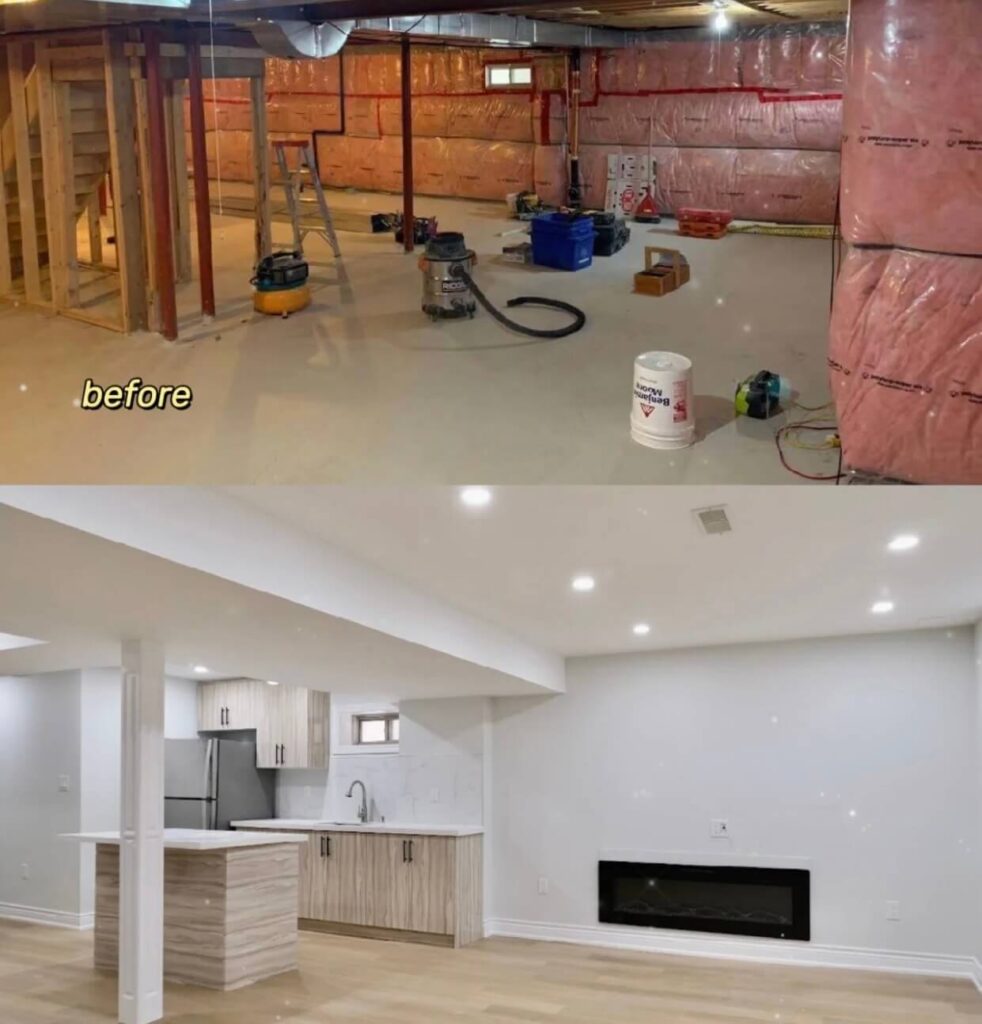
Phase 1: Bedrooms and Living Areas First
Bedrooms and living areas establish your sanctuary from day one during room by room renovation. Clear closets and pack seasonal clothes into sealed plastic bins, labeling them clearly for easy access. Cover mattresses, box springs, and upholstered furniture with heavy-duty plastic sheets secured with painter’s tape at all edges. This prevents fine dust particles from settling into fabrics that require dry cleaning.
Install temporary dust barriers using 6-mil plastic sheeting across doorways, creating zippered entry points for easy access. Position HEPA air purifiers in each bedroom, running them continuously during work hours and changing filters every two weeks. Designate a “clean living zone” with washable floor coverings, slipcovered sofas, and stackable storage ottomans for essentials. Noise-cancelling machines or white noise apps help mask hammering and sawing.
Post-renovation, bedroom remodeling ideas can inspire layouts that maximize the peace you fought to preserve during this phase. Temporary storage under beds or in garage corners keeps pathways clear for safe movement.
Phase 2: Bathrooms Next (Keep One Functional)
Bathrooms demand careful sequencing in living through a home renovation since losing all facilities creates immediate hardship. Seal off one bathroom completely as your hygiene haven, stocking it with extra towels, disposable shower liners, and battery-operated fans for ventilation. Hygiene hacks include no-rinse shampoo, facial wipes, and travel-sized toiletries for quick refreshes when the working bathroom closes down.
Portable solutions prove invaluable: set up a camping shower enclosure in the garage with a solar shower bag, or use a portable potty chair for emergencies. Prioritize ventilation by installing temporary exhaust fans venting outside, preventing steam migration to finished bedrooms. Daily surface wipe-downs with microfiber cloths keep mirrors and counters usable despite construction proximity.
Teams specializing in bathroom renovation in Scarborough often share these strategies, noting GTA humidity amplifies moisture challenges during room by room renovation. Quick-dry bath mats and antimicrobial soaps maintain cleanliness without full laundry loads.
Phase 3: Kitchen Last (Makeshift Cooking Zones)
Delaying the kitchen until last preserves family meals during living through a home renovation, as makeshift cooking zones require significant setup. Transform your garage, basement, or dining area into a functional satellite kitchen using a two-burner electric hot plate, countertop convection oven, electric kettle, and full-size mini-fridge/freezer combo. Stock coolers with ice packs for dairy and meats, rotating contents daily.
Food safety protocols include designated cutting boards for raw meats, hand sanitizer stations, and sealed plastic bins for dry goods like pasta and cereal. Slow cookers and Instant Pots handle family-sized meals with minimal monitoring, while countertop griddles make pancakes and stir-fries. Outdoor electric grills extend options during warmer months, with extension cords safely routed away from traffic areas.
Kitchen renovation in Scarborough experts recommend this phasing to maintain nutrition and morale through the home renovation checklist room by room. Pre-chopped frozen vegetables and microwaveable grains simplify preparation dramatically.
Phase 4: High-Traffic Areas (Hallways, Entryways)
High-traffic zones finish last to prevent repeated dirt tracking through completed rooms during room by room renovation. Cover floors with ram board construction paper and heavy-duty runner rugs that withstand boot traffic and tool carts. Entry protection systems feature double sticky walk-off mats that capture 90% of debris before it enters.
Install temporary plywood ramps over door thresholds, securing them with painter’s tape to eliminate tripping hazards from uneven subfloors. Daily shop vac sweeps remove sawdust before it grinds into carpets elsewhere. Wall corner guards prevent dings from ladders and drywall carts navigating tight spaces.
This phase completes the home renovation checklist room by room cycle, restoring smooth pathways and reclaiming your home’s flow without backtracking contamination.
Dust Control Tips for Living Through a Home Renovation
Dust becomes public enemy number one during living through a home renovation, infiltrating lungs, furniture, and appliances. HEPA-filtered shop vacuums connect directly to power tools, capturing particles at the source rather than letting them billow freely. Air purifiers with true HEPA filters (not just “HEPA-type”) run continuously in livable rooms, cycling air 4-6 times hourly.
Plastic sheeting seals create negative pressure zones around work areas – tape 6-mil plastic over doorways, HVAC vents, and windows, using magnetic zipper kits for contractor access. Daily protocols demand discipline: wet mopping unsealed floors twice daily, microfiber dusting surfaces (never feather dusters), and laundry rotation for bedding/towels every 48 hours. No-shoe policies extend to all workers via disposable booties and entry mudrooms.
Handy home renovation tips emphasize sticky floor mats at every entrance, changed weekly, trapping grit effectively. Exhaust fans venting outdoors pull contaminated air away from living spaces continuously. These layered defenses make room by room renovation survivable even in older homes with poor sealing.
Room-by-Room Phasing Schedule Template
This practical table serves as your home renovation checklist room by room reference. Customize timelines based on home size, crew capacity, and project scope.
| Phase | Duration | Prep Checklist | Dust Control Measures | Temporary Living Setup |
| Bedrooms/Living Areas | 4-6 weeks | Pack closets, plastic mattress covers, label bins | Door zippers, 2x HEPA purifiers/room, sealed vents | Clean zone furniture, noise machines, stackable storage |
| Bathrooms | 3-4 weeks | Hygiene kits, portable shower rental, fan setup | Ventilation exhausts, plastic floor barriers, daily wipes | One sealed bathroom, no-rinse kits, quick-dry mats |
| Kitchen | 6-8 weeks | Appliance relocation, cooler purchases, sealed pantry | Heavy plastic enclosures, tool vacuums, shop vac daily | Garage cooking station, slow cookers, sealed food bins |
| Hallways/Entryways | 2-4 weeks | Ram boards, sticky mats (2 layers), plywood ramps | Walk-off mats, corner guards, sweep/vacuum 2x daily | Clear pathways, bootie stations, temporary lighting |
Common Mistakes and How to Avoid Them
Launching with high-disruption spaces like kitchens or bathrooms torpedoes living through a home renovation immediately – families lose cooking and hygiene simultaneously, spiking stress exponentially. Poor phasing transitions compound problems when incomplete cleanup allows dust migration between zones, undoing finished room protections.
Counter this by following the home renovation checklist room by room precisely, building buffer days between phases for deep cleans. Underestimating setup/dismantling time leads to rushed barriers that fail; allocate full days for plastic installations and purifier positioning. Family buy-in prevents resistance – weekly huddles assign roles like “daily mop duty” or “purifier filter checker.”
Home renovation tips stress upfront contractor conversations about livability priorities, ensuring dust extraction equipment arrives day one. DIY home remodel enthusiasts often skip professional-grade barriers, learning costly lessons about particle migration. The home renovation guide details communication templates that keep projects on track.
Additional pitfalls include ignoring pet needs (crated animals stress excessively) and skipping air quality monitoring (cheap testers reveal hidden contamination). Preemptive planning averts 80% of survivability issues during room by room renovation.
Conclusion
Room by room renovation planning makes living through a home renovation not just survivable, but structured and predictable. Phased checklists preserve essential functions, dust controls safeguard health, and sequential completion minimizes chaos across the entire project. Families finish stronger, with beautiful homes and valuable experience. Local expertise in home renovation in Scarborough ensures your project stays on track with GTA-specific knowledge and regulations. Ready for your transformation? Professional teams handle the details while you focus on living comfortably – contact Rich Renovations today.